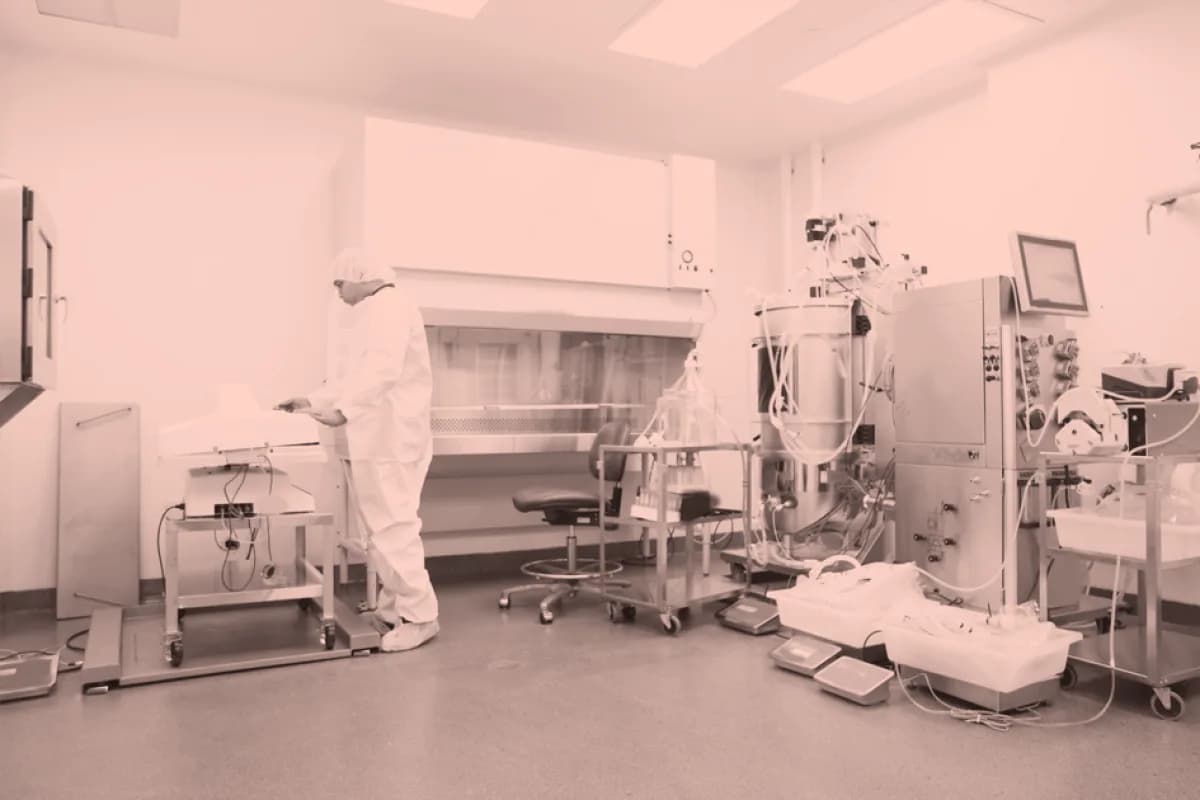
Architecturally and electromechanically controlled sterile environments form the critical infrastructure supporting modern pharmaceutical manufacturing and advanced medical care. A minor fluctuation in air purity or the infiltration of microscopic particulates into drug formulation areas or surgical theaters can compromise entire production batches or jeopardize patient safety. Consequently, deploying precisely engineered cleanroom solutions has become a strategic requirement mandated by global healthcare standards to ensure maximum safety and quality assurance.
Understanding cleanroom design standards and applications in pharmaceutical plants and hospitals relies on delivering a fully integrated engineering system designed to control every environmental variable within sensitive spaces. This detailed guide covers global cleanliness classifications, architectural construction mandates using antimicrobial surfaces, electromechanical HVAC air filtration and differential pressure management, specialized applications in pharma lines and operating rooms, and validation protocols ensuring full compliance with Good Manufacturing Practices (GMP).
- Cleanliness Classifications and Governing Codes (ISO & GMP)
Environmental engineering for cleanrooms relies on specifying maximum allowable airborne particle concentrations per cubic meter:
- International Standards (ISO 14644-1): Categorizes cleanrooms from ISO Class 1 to ISO Class 9, with ISO Classes 5 through 8 being the most widely implemented across healthcare and pharmaceutical sectors.
- Good Manufacturing Practices (EU GMP / US FDA): Classifies operational areas into Grades A, B, C, and D, where Grade A represents the highest level of sterile processing for aseptic filling of parenterals and biologicals.
- Application Classification: Selecting the exact cleanliness tier required for each production phase to maintain strict compliance without incurring unnecessary capital expenditure.
- Architectural Construction and Antimicrobial Surfaces
Structural materials utilized in cleanroom construction must possess non-porous properties that prevent particle accumulation and withstand continuous chemical decontamination:
- Cleanroom Sandwich Panels: Implementing treated, non-porous metallic wall and ceiling panels resistant to harsh disinfectants, with all joints sealed using seamless silicone sealants.
- Seamless Flooring and Coving: Installing thermally welded epoxy or polyurethane resin flooring, incorporating radiused coving at wall-to-floor and wall-to-ceiling junctions to eliminate dust traps and streamline sanitation.
- Dynamic Airflow Control and Differential Pressure Management
Specialized cleanroom HVAC systems serve as the core engine maintaining sterile environments and preventing cross-contamination:
- Laminar / Unidirectional Airflow: Directing air in parallel, uniform streams from ceiling diffusers downward to immediately sweep airborne contaminants into low-level return grilles.
- High-Efficiency Particulate Air (HEPA/ULPA) Filters: Utilizing terminal filters capable of capturing particles and biological contaminants down to 0.3 microns with an efficiency of at least 99.97%.
- Pressure Cascades: Maintaining positive pressure in sterile zones to prevent dirty air infiltration, or negative pressure in active hazardous handling areas to contain potent compounds.
- Field Applications in Medical and Pharmaceutical Sectors
Cleanroom technology serves diverse critical functions based on specialized operational demands:
- Pharmaceutical Facilities: Sterile injectable filling lines, IV solution preparation, antibiotic compounding, and biopharmaceutical vaccine packaging.
- Hospitals and Medical Centers: Ultra-clean operating suites, bone marrow and organ transplant units, Neonatal Intensive Care Units (NICU), and stem cell processing laboratories.
- Research & Testing Laboratories: Genetic research labs and quality control testing facilities requiring absolute sample protection against environmental contamination.
Engineering Expertise in Cleanroom Execution: Smart Construction Group (SCG) provides turnkey engineering and execution solutions for designing and equipping cleanrooms across all classifications for pharmaceutical factories and hospitals. Backed by extensive field experience and strict adherence to international quality codes, SCG delivers high-precision critical infrastructure.
- Qualification Protocols and Periodic Validation (Commissioning & QA)
Maintaining cleanroom performance requires rigorous technical validation prior to initial startup and during routine operational cycles:
- Filter Integrity Testing (PAO/DOP Leak Testing): Verifying that HEPA filter media and seating frames are completely free from pinhole leaks or bypasses.
- Airborne Particle Count Testing: Utilizing calibrated laser particle counters to confirm that particulate levels strictly comply with designated ISO/GMP thresholds.
- Airflow Velocity and Pressure Balancing: Verifying Air Changes per Hour (ACH) and confirming stable differential pressure cascades across adjoining rooms.
Summary and Strategic Value
Investing in fully compliant cleanroom design standards and applications across pharmaceutical manufacturing and healthcare facilities provides the ultimate shield for product integrity and patient care. It safeguards capital investments against contamination risks and costly operational downtime, strengthening market credibility locally and internationally.