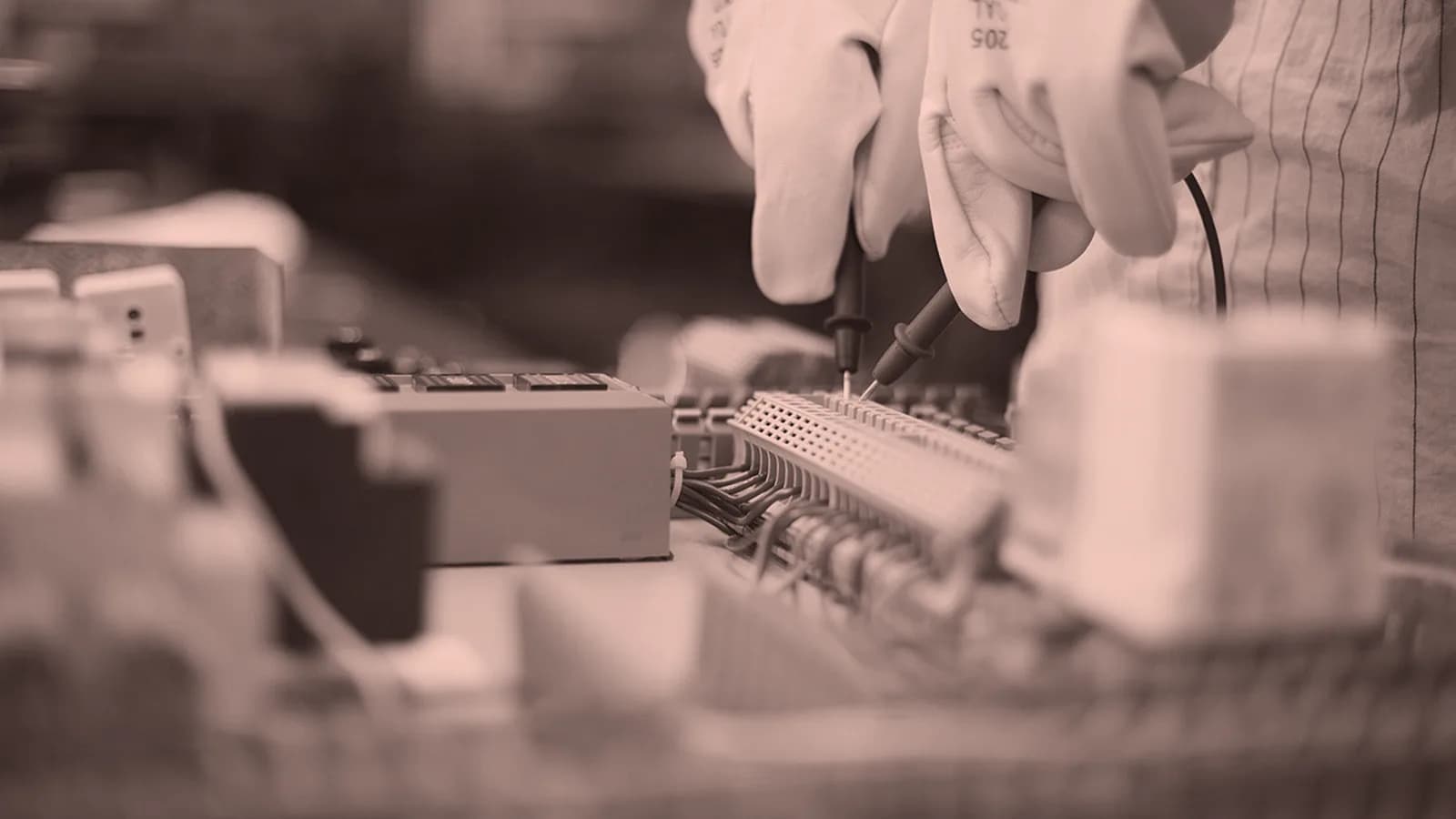
Electromechanical services (MEP) represent the lifelines of modern infrastructure. Complex concrete and steel structures cannot function without efficient operational systems that manage energy, deliver controlled ventilation, and ensure safety. Executing MEP works in commercial, medical, and pharmaceutical sectors demands specialized engineering integration due to strict energy efficiency requirements, worker safety standards, and rigorous hygienic mandates.
This comprehensive electromechanical (MEP) engineering guide for commercial, medical, and pharmaceutical facilities provides a complete technical roadmap for designing and implementing reliable building infrastructure. It details conditioned HVAC air handling setups, specialized clean earth and backup power networks, chemical-resistant plumbing systems, automated fire protection, and smart integration via Building Management Systems (BMS).
- Conditioned HVAC Systems and Air Quality Management
HVAC infrastructure is a highly critical MEP component, particularly in medical and pharmaceutical facilities that require strict environmental controls:
- Advanced Air Filtration (HEPA): Installing High-Efficiency Particulate Air (HEPA) filters to extract micro-particles and biological contaminants in cleanrooms and surgical suites.
- Differential Pressure Management: Enforcing positive air pressure in sterile zones to block incoming contaminants, and negative air pressure in isolation wards to contain airborne pathogens.
- Precision Thermal and Humidity Control: Regulating relative humidity levels to prevent fungal growth and protect sensitive medical imaging equipment and pharmaceutical compounding lines.
- Power Distribution and Protective Grounding Infrastructure
Commercial and healthcare facilities require an electrical infrastructure engineered for ultra-high reliability and uninterrupted operation:
- Emergency and Uninterruptible Power: Integrating industrial diesel backup generators with Uninterruptible Power Supply (UPS) units to supply instantaneous power to ICUs, diagnostic systems, and cold-storage units during grid disruptions.
- Equipment Protection and ESD Grounding: Designing dedicated clean earthing grids with ultra-low resistance to safely dissipate static build-up and voltage transients, protecting personnel and sensitive electronics from electromagnetic interference (EMI).
- Advanced Industrial Plumbing and Specialized Drainage
Plumbing design in commercial and medical environments differs significantly from standard residential engineering due to complex fluid handling requirements:
- Purified Water Processing (RO Systems): Implementing Reverse Osmosis (RO) water purification plants to deliver purified water for clinical use and pharmaceutical manufacturing.
- Chemical-Resistant Piping: Utilizing specialized corrosion-proof piping materials to safely drain pharmaceutical waste and laboratory effluents.
- Bio-Hazard Waste Interception: Installing dedicated retention and neutralization tanks for pre-treating medical liquid waste before discharge into municipal networks.
- Integrated Fire Detection and Suppression Systems
Protecting lives and capital assets is an essential engineering priority. Key electromechanical fire safety systems include:
- Clean Agent Fire Suppression: Deploying gaseous suppression systems (such as FM200 or CO2) in server rooms and imaging suites to extinguish fires without damaging delicate electronics with water.
- Automatic Sprinkler Networks: Equipping commercial spaces and logistics warehouses with temperature-activated automated sprinkler networks.
- Early Warning Fire Alarms: Interlocking intelligent smoke and heat detectors with visual alarms and central control panels for rapid emergency evacuation.
Engineering Excellence in MEP Solutions: Smart Construction Group (SCG) delivers turnkey MEP engineering solutions for commercial, medical, and pharmaceutical facilities. SCG’s multidisciplinary engineering team ensures complete spatial coordination across all building services, eliminating field clashes and adhering to international quality and safety benchmarks.
- Smart Building Management Systems (BMS) Integration
Modern MEP engineering culminates in interlocking all mechanical and electrical services under a centralized Building Management System (BMS), enabling facility managers to:
- Monitor Energy Usage: Track power consumption in real time and automatically identify operational inefficiencies.
- Centralized Environmental Control: Adjust temperatures, filtration rates, and lighting schedules according to facility occupancy.
- Predictive Maintenance: Identify equipment anomalies early to perform proactive maintenance, preventing costly downtime in critical healthcare or manufacturing operations.
Long-Term Operational and Investment Impact
Adhering to the technical standards outlined in this MEP guide ensures the development of energy-efficient, safe, and fully compliant facilities—maximizing asset value and ensuring long-term operational resilience.